Top 30 High Jewelry Houses 2026

Review categories
- Bespoke Automotive Restoration
- Ultra-Luxury Residential Developers
- Independent Luxury Watchmakers
- Luxury Yacht Builders
- Independent Luxury Heritage Hotels
- Ultra-Luxury Interior Design Studios
- Private Art Advisory Firms
- High Jewelry Houses
Contact: [email protected]
First Published
Last updated
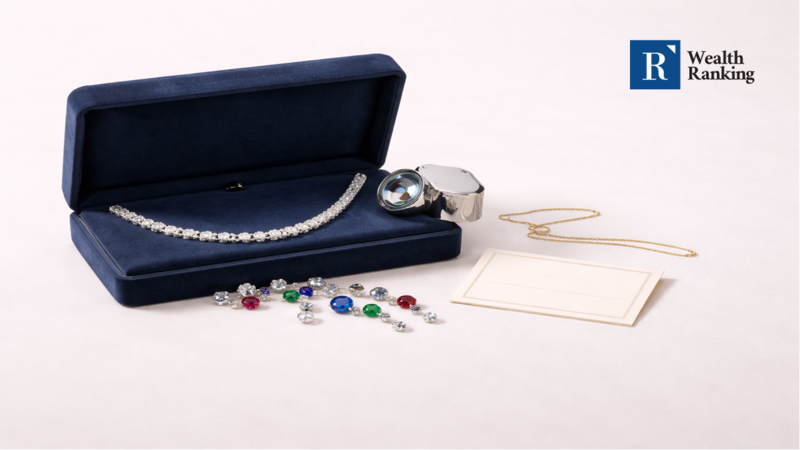
This article is part of the Wealth Ranking Luxury & Heritage Rankings Series published by Ranking News. The ranking evaluates heritage jewelry maisons, independent artist-jewelers, gemstone specialists, and contemporary high jewelry houses serving ultra-high-net-worth collectors, royal families, private clients, family offices, museums, and luxury connoisseurs seeking exceptional gemstones and one-of-a-kind creations.
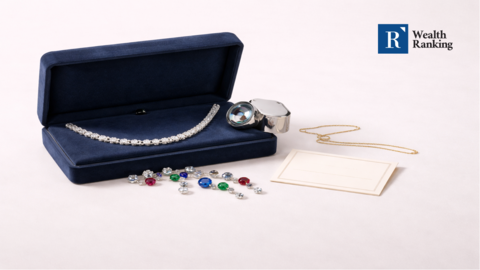
High jewelry occupies a distinctive position at the intersection of decorative art, gemstone expertise, technical engineering, cultural heritage, personal identity, and private wealth. Unlike jewelry produced principally for broader retail distribution, haute joaillerie is defined by exceptional materials, intensive craftsmanship, limited production, and a degree of design authorship capable of giving individual pieces lasting artistic significance.
The most consequential creations may begin with a historically important diamond, an untreated colored gemstone, a group of naturally matched pearls, or a design concept requiring techniques that have never previously been attempted. Their development can involve gemologists, designers, wax modelers, setters, polishers, engravers, lapidaries, enamelers, miniature painters, stone carvers, and specialist engineers working over hundreds or thousands of hours.
High jewelry houses also operate through substantially different institutional models. Some are historic maisons supported by extensive archives, international boutiques, and permanent Parisian or Italian ateliers. Others are gemstone-led businesses whose standing derives from access to extraordinary diamonds, rubies, emeralds, sapphires, and natural pearls. Independent artist-jewelers may produce only a small number of works each year, but exercise influence disproportionate to their commercial scale.
The Ranking News Top 30 High Jewelry Houses 2026 ranking recognizes maisons and independent creators whose heritage, craftsmanship, gemstone authority, artistic identity, collector relevance, and contribution to contemporary high jewelry place them among the leading institutions in the field.
Market Overview
High jewelry represents the most specialized and culturally significant segment of the global jewelry market. Although it shares materials, retail infrastructure, and client relationships with fine jewelry, its economics and creative processes are different. Individual works may be developed around stones that cannot readily be replaced, while production is constrained by the availability of both rare materials and craftspeople capable of executing demanding designs.
Demand is supported by several overlapping collector groups. Established European and North American clients remain important, while private wealth in Greater China, Southeast Asia, India, the Gulf, and other international markets has broadened the geography of high-jewelry collecting. Many clients operate across several countries and expect maisons to provide discreet appointments, private presentations, bespoke development, secure delivery, and long-term service.
Heritage remains a source of authority, but age alone does not establish contemporary relevance. The strongest historic houses continually reinterpret their archives, maintain skilled ateliers, secure important gemstones, and produce new collections capable of contributing to the development of the category. A dormant name with a valuable archive is not equivalent to an active maison possessing current creative and technical capability.
Independent creators have meanwhile become increasingly important to sophisticated collectors. Their appeal frequently rests on direct artistic authorship, extreme scarcity, unconventional materials, experimental construction, or a willingness to pursue ideas that would be difficult to accommodate within a large international brand.
High jewelry also interacts with museums, auction houses, galleries, fairs, fashion, watchmaking, and the wider market for collectible design. Auction houses remain essential to price discovery and the circulation of historic jewelry, but they are treated as market infrastructure rather than jewelry houses within this ranking.
Principal High Jewelry House Models
| House model | Principal capabilities | Typical creations | Distinguishing source of value |
|---|---|---|---|
| Heritage grande maison | Archival design, permanent ateliers, gemstone sourcing, global private-client service | Annual high-jewelry collections, tiaras, transformable pieces, bespoke commissions | Institutional continuity, recognized design codes, and deep craft infrastructure |
| Gemstone-led house | Acquisition, cutting, matching, certification, and presentation of exceptional stones | Major diamond necklaces, colored-stone suites, important solitaire jewels | Access to rare stones and the ability to reveal their individual character |
| Couture-linked maison | Translation of fashion, textiles, architecture, and house symbols into jewelry | Thematic collections, flexible jewels, textile-inspired settings, statement pieces | Connection between jewelry and a wider creative universe |
| Independent artist-jeweler | Direct authorship, small production, experimental form, close collector relationships | One-of-a-kind jewels, private commissions, wearable sculpture | Scarcity, personal vision, and identifiable artistic language |
| Technical innovator | New settings, alloys, carving methods, structures, and material combinations | Titanium constructions, concealed settings, articulated jewels, gemstone sculpture | Expansion of what can technically and materially be achieved in jewelry |
| Decorative-arts specialist | Engraving, enameling, gold texturing, carving, mosaic, and historical techniques | Highly worked gold jewelry, pictorial pieces, heritage-inspired creations | Preservation and reinvention of specialist artisanal knowledge |
| Category specialist | Concentrated authority in pearls, diamonds, colored stones, or jewelry watches | Pearl high jewelry, important diamonds, ornamental-stone watches | Expertise and credibility that are difficult for generalist houses to reproduce |
Industry Trend — 2026
Several developments are shaping the high jewelry sector in 2026.
First, jewelry has demonstrated greater resilience than several more accessible luxury categories during the wider normalization of luxury demand. At the highest level, clients are purchasing rarity, craftsmanship, cultural meaning, and long-term personal significance rather than responding solely to seasonal fashion.
Second, competition for exceptional natural gemstones remains intense. Important colored diamonds, Burmese rubies, Colombian emeralds, Kashmir sapphires, Paraíba tourmalines, spinels, natural pearls, and untreated stones with distinguished provenance are inherently limited. Access to such material can determine the creative direction of an entire collection.
Third, traceability is becoming more important. High jewelry clients increasingly ask about geographic origin, treatment, laboratory documentation, sanctions exposure, environmental practices, labor conditions, and the chain of custody through which a gemstone reached the maison. Traceability cannot eliminate every uncertainty, but weak documentation creates growing legal and reputational risk.
Fourth, houses are investing in ateliers, craft education, and the preservation of specialist skills. The production of high jewelry depends on knowledge that cannot be expanded as quickly as retail distribution. Recruiting and training setters, lapidaries, engravers, enamelers, polishers, and model makers is therefore becoming an institutional priority.
Fifth, transformability is returning as a significant design and client-service principle. Necklaces become tiaras, brooches separate into smaller jewels, pendants become rings, and elaborate pieces can be adapted for different settings. Such designs connect contemporary use with the ingenuity of historic court and Art Deco jewelry.
Sixth, lightweight metals and unconventional materials continue to expand the technical vocabulary of high jewelry. Titanium, aluminum, ceramic, iron, wood, carbon-based materials, and specially developed composites can reduce weight, enable larger volumes, or create contrasts unavailable through traditional precious metals alone.
Seventh, the relationship between jewelry and cultural institutions is deepening. Museum acquisitions, retrospective exhibitions, archival programs, craft demonstrations, publications, and partnerships with artists support the interpretation of high jewelry as decorative art rather than simply expensive adornment.
Eighth, Asian artist-jewelers are exercising greater influence on the international field. Wallace Chan, Cindy Chao, Anna Hu, and other creators demonstrate that museum-level high jewelry is no longer centered exclusively on historic European institutions.
Finally, collectors are becoming more attentive to authorship. A house name remains important, but serious buyers increasingly consider who designed a piece, which atelier produced it, whether the work introduced a meaningful technical development, and how it relates to the wider creative history of the maison.
Methodology — Core Eligibility Criteria
To ensure consistency within the High Jewelry Houses category, maisons and independent creators were evaluated against the following eligibility criteria:
- Maintains an identifiable and active high-jewelry practice
- Produces one-of-a-kind, bespoke, exceptional-gemstone, or materially significant jewelry
- Demonstrates substantive craftsmanship and access to specialist artisanal capabilities
- Possesses an established artistic identity, recognizable design language, or category-defining expertise
- Demonstrates relevance to sophisticated collectors, private clients, museums, royal or ceremonial markets, or the international luxury sector
- Maintains sufficient operational traceability to establish continuing activity
- Exercises meaningful control over design, production, atelier relationships, or gemstone selection
- Demonstrates credibility extending beyond mass-distributed jewelry and fashion accessories
Auction houses, gemstone laboratories, dealers without a meaningful design practice, inactive brands, mass-market jewelry retailers, and fashion labels with limited evidence of substantive high-jewelry activity were excluded.
Large luxury groups were not evaluated as consolidated organizations. Their jewelry maisons were considered individually where each maintains a distinct identity, creative organization, and high-jewelry practice.
Because confidentiality is fundamental to the sector, public disclosure of private clients was not required. Houses were instead assessed through traceable collections, exhibitions, craftsmanship, institutional history, atelier capability, and credible market activity.
Methodology — Ranking Factors
Qualified maisons and creators were evaluated using qualitative and structural considerations including:
- Heritage and institutional continuity
- High-jewelry craftsmanship
- Design originality and artistic authorship
- Gemstone expertise and access to exceptional material
- Strength and distinctiveness of recognized design codes
- Significance of historic and contemporary creations
- Atelier depth and preservation of specialist techniques
- Technical innovation
- Collector prestige
- Museum and decorative-arts relevance
- International private-client capability
- Influence on other jewelers and the wider luxury sector
- Bespoke and one-of-a-kind commissioning capability
- Consistency across successive collections
- Cultural and geographic significance
- Capacity to document, service, and preserve consequential works
- Continuing relevance within the 2026 high-jewelry market
Approximately 70 international maisons, jewelry ateliers, and artist-led practices were reviewed, from which 30 were selected.
Tier classifications reflect relative institutional influence, craftsmanship reputation, gemstone authority, artistic importance, collector recognition, and contemporary relevance. They do not represent a numerical product score, an appraisal of any individual jewel, or a prediction of financial performance.
Tier I — Leading High Jewelry Houses
Tier I recognizes the houses whose historical significance, atelier capability, international recognition, gemstone authority, and continuing creative output give them defining influence over the global high-jewelry sector.
Cartier
- Headquarters: Paris, France
- Founded: 1847
Cartier remains one of the defining institutions of international high jewelry. Its history encompasses royal patronage, important diamonds and colored gemstones, ceremonial jewels, watches, objects, and designs that have entered the permanent vocabulary of modern luxury.
The maison’s archives include tiaras, Tutti Frutti compositions, mystery clocks, geometric Art Deco jewels, transformable pieces, and the Panthère. These are not merely historical references: Cartier continues to reinterpret them through major high-jewelry collections supported by substantial design, gemological, and atelier capabilities.
Its greatest strength is breadth. Cartier can operate simultaneously as a royal jeweler, gemstone house, design institution, watchmaker, museum lender, cultural patron, and global private-client maison. Few competitors possess comparable recognition across specialist collectors and the wider public.
Cartier belongs in Tier I because of its extraordinary historical influence, international atelier infrastructure, archival depth, gemstone capabilities, and continuing authority across high jewelry and the broader culture of luxury.
Van Cleef & Arpels
- Headquarters: Paris, France
- Founded: 1906
Van Cleef & Arpels occupies a singular position through its combination of narrative imagination and technical refinement. Nature, dance, astronomy, couture, gardens, travel, and fairy-tale imagery are translated into jewels with an unusually poetic sense of movement.
The maison is particularly associated with the Mystery Set, which conceals the underlying metal to create uninterrupted fields of gemstones. Transformable necklaces, ballerina brooches, Zip necklaces, floral jewels, and mechanically animated objects further demonstrate its ability to connect visual delicacy with substantial engineering.
Van Cleef & Arpels has also invested in education and the cultural interpretation of jewelry through L’ÉCOLE, School of Jewelry Arts. This strengthens the maison’s position not only as a manufacturer of luxury objects, but as an institution supporting understanding of gemstones, jewelry history, and artisanal technique.
Van Cleef & Arpels belongs in Tier I because of its identifiable creative universe, exceptional setting expertise, collector prestige, educational influence, and ability to produce high jewelry that remains technically complex without losing emotional clarity.
Bulgari
- Headquarters: Rome, Italy
- Founded: 1884
Bulgari is the defining Roman high-jewelry maison and one of the most influential users of colored gemstones. Its design language combines Mediterranean color, classical architecture, strong goldwork, cabochon stones, geometric construction, and a confident sense of scale.
The house helped establish combinations of gemstones that departed from more restrained French conventions. Emeralds, sapphires, rubies, turquoise, amethysts, and other stones are frequently arranged for chromatic intensity rather than treated only as formal centers surrounded by diamonds.
Serpenti, Monete, Tubogas, Divas’ Dream, and other recognized codes connect the maison’s jewelry with Roman history, modern Italian design, watchmaking, and sculptural ornament. Bulgari’s continued access to important colored stones allows it to produce collections in which material rarity supports, rather than replaces, strong design.
Bulgari belongs in Tier I because of its exceptional colored-gemstone authority, instantly recognizable Roman identity, global collector relevance, and enduring influence on how modern high jewelry uses color and volume.
Tiffany & Co.
- Headquarters: New York, United States
- Founded: 1837
Tiffany & Co. is the most historically consequential American jewelry house. Its influence encompasses diamond standards, engagement jewelry, silverwork, important colored gemstones, artistic collaborations, and the development of a distinctly American conception of luxury.
The Blue Book high-jewelry tradition provides the principal platform for Tiffany’s most exceptional contemporary work. The house’s legacy also includes the Tiffany Diamond, the Tiffany Setting, and the work of designers including Jean Schlumberger, whose naturalistic and fantastical creations remain central to its high-jewelry identity.
Tiffany combines exceptional recognition with serious gemstone and atelier capabilities. Its New York identity, archival depth, international retail presence, and renewed investment in high jewelry have reinforced its position beyond the accessible products through which many consumers first encounter the brand.
Tiffany & Co. belongs in Tier I because of its American cultural significance, exceptional gemstone history, powerful design archive, global private-client reach, and sustained importance to both historic and contemporary high jewelry.
Harry Winston
- Headquarters: New York, United States
- Founded: 1932
Harry Winston remains one of the world’s foremost diamond-led high-jewelry houses. Its founder’s association with legendary stones, important estates, museum philanthropy, and elite collectors established a reputation that continues to define the maison.
The house’s cluster setting and other stone-centered design approaches minimize visible metal and allow diamonds to determine the composition. Rather than forcing important stones into predetermined motifs, Harry Winston traditionally developed jewels around their shape, proportion, and optical character.
Its history includes celebrated diamonds and gemstones passing through the founder’s hands, together with the donation of the Hope Diamond to the Smithsonian Institution. Contemporary collections continue to emphasize exceptional diamonds, rare colored stones, and formal evening jewelry.
Harry Winston belongs in Tier I because of its extraordinary diamond heritage, collector recognition, stone-led design philosophy, American luxury significance, and continuing relevance to clients seeking jewels centered on genuinely exceptional gemstones.
Tier II — Established International High Jewelry Houses
Tier II recognizes internationally established maisons with substantial high-jewelry capabilities, important design identities, and strong standing among collectors. These houses possess the heritage, creative leadership, atelier relationships, or gemstone access required to produce consequential collections on a continuing basis.
(Alphabetical order)
Boucheron
- Headquarters: Paris, France
- Founded: 1858
Boucheron is among the most historically important Place Vendôme houses and remains one of the most experimentally minded heritage maisons. Nature, animals, architecture, textiles, movement, and optical effects recur throughout its work.
The house has demonstrated a willingness to use unconventional substances and technical processes alongside diamonds and colored gemstones. This gives its contemporary collections a creative freedom that distinguishes Boucheron from maisons relying too heavily on literal archival repetition.
Boucheron’s history includes royal clients, elaborate necklaces, transformable jewels, and the architectural significance of its Place Vendôme address. Its modern high jewelry preserves that heritage while exploring questions of texture, volume, lightness, and material illusion.
Boucheron belongs in Tier II because of its Parisian heritage, technical ambition, strong contemporary creative direction, and ability to reinterpret the conventions of high jewelry without abandoning exceptional craftsmanship.
Buccellati
- Headquarters: Milan, Italy
- Founded: 1919
Buccellati is distinguished by a goldsmithing language rooted in Renaissance ornament, Venetian textiles, lace, engraving, and the decorative traditions of Italy. Its jewels are often recognizable from the worked surface of the metal before their gemstones are considered.
Techniques associated with the house create matte, woven, honeycomb, rigato, and fabric-like effects through intensive hand engraving and piercing. Diamonds and colored stones are integrated into these surfaces rather than simply mounted above polished gold.
This approach gives Buccellati a different source of authority from gemstone-led houses. The value of its strongest creations lies in the accumulated labor and specialist knowledge required to make precious metal appear soft, aged, embroidered, or weightless.
Buccellati belongs in Tier II because of its unmistakable craftsmanship identity, multigenerational Italian heritage, preservation of specialist goldsmithing techniques, and continued relevance to collectors who value artisanal execution as highly as gemstone scale.
Chanel High Jewelry
- Headquarters: Paris, France
- High-jewelry debut: 1932
Chanel’s high-jewelry identity originates in Gabrielle Chanel’s 1932 Bijoux de Diamants collection. Its celestial forms, flexible settings, ribbons, fringes, and disregard for rigid jewelry conventions created a foundation that remains relevant to the house’s contemporary practice.
Modern collections draw from stars, comets, camellias, lions, wheat, feathers, quilting, perfume, couture, and other elements of Chanel’s broader creative universe. The strongest designs translate these symbols structurally rather than merely reproducing logos in precious materials.
Chanel has developed substantial atelier and private-client capability, allowing its jewelry division to stand independently from the fashion business. Its creations frequently explore how high jewelry moves on the body and how textile effects can be achieved through articulated metal and stone setting.
Chanel High Jewelry belongs in Tier II because of its historically significant debut, powerful design codes, connection to couture craftsmanship, international recognition, and established ability to produce serious haute joaillerie.
Chaumet
- Headquarters: Paris, France
- Founded: 1780
Chaumet possesses one of the deepest royal and ceremonial histories in French jewelry. Its association with Empress Joséphine and the Napoleonic court established particular authority in tiaras, aigrettes, botanical motifs, and jewels expressing rank, romance, and dynastic identity.
The maison’s tiara expertise remains relevant because such pieces require an understanding of proportion, articulation, transformability, movement, and the relationship between jewelry and the architecture of the wearer’s face and hair.
Chaumet’s contemporary collections reinterpret wheat, laurel, nature, Joséphine’s aigrette forms, and other archival themes through modern settings and private commissions. Cultural exhibitions and archival work have reinforced understanding of the house beyond its commercially distributed collections.
Chaumet belongs in Tier II because of its exceptional court-jewelry history, Place Vendôme craftsmanship, tiara authority, archival depth, and continuing relevance to collectors seeking refined French high jewelry with ceremonial significance.
Chopard
- Headquarters: Geneva, Switzerland
- Founded: 1860
Chopard combines Swiss watchmaking, family ownership, jewelry craftsmanship, and unusually strong visibility within international cinema. Its Red Carpet collection, presented in connection with the Cannes Film Festival, provides a continuing platform for major gemstones and expressive high-jewelry design.
The maison’s high jewelry is often characterized by color, movement, floral or naturalistic themes, and pieces developed for formal public presentation. Its ability to connect private collecting with global cultural events gives Chopard a distinctive position within the sector.
Chopard has also given sustained attention to sourcing and supply-chain questions. While responsible-sourcing claims require continuing scrutiny across the industry, the house helped make the origin of precious metals and gemstones a more visible subject within mainstream luxury communications.
Chopard belongs in Tier II because of its international recognition, high-jewelry production, watchmaking capabilities, family-controlled continuity, gemstone expertise, and long-established position at the intersection of jewelry and global cultural events.
Dior Joaillerie
- Headquarters: Paris, France
- Established: 1998
Dior Joaillerie has developed one of the most distinctive high-jewelry practices created by a major fashion house. Under the long-term direction of Victoire de Castellane, it established a language that is colorful, asymmetrical, narrative, and often deliberately removed from conventional ideas of formal gemstone jewelry.
Flowers, gardens, ribbons, lace, couture, architecture, historical personalities, and imagined worlds are recurring sources of inspiration. Stones may be selected for their unusual color relationships and personality rather than arranged according to traditional hierarchies.
The consistency of de Castellane’s authorship has been important. It has allowed Dior’s jewelry to develop an identity that cannot be reduced to the application of existing fashion logos. Its strongest collections are recognizable as a coherent body of creative work.
Dior Joaillerie belongs in Tier II because of its artistic influence, sustained creative leadership, confident use of color, couture connections, and important role in broadening the expressive vocabulary of contemporary high jewelry.
Graff
- Headquarters: London, United Kingdom
- Founded: 1960
Graff is one of the world’s leading diamond and exceptional-gemstone houses. Its institutional identity is built around the ability to source, assess, cut, polish, and present stones of a scale and quality unavailable to most jewelry businesses.
The house has been associated with major white and colored diamonds, important emeralds, rubies, and sapphires. Its high-jewelry designs generally allow these materials to remain visually dominant, using setting and composition to amplify rather than compete with the stones.
Graff’s control across several stages of the diamond process provides technical knowledge extending beyond final jewelry design. This is especially relevant when a major rough diamond must be studied, divided, cut, documented, and eventually transformed into a group of finished jewels.
Graff belongs in Tier II because of its exceptional diamond access, cutting and manufacturing expertise, international collector recognition, and continuing importance to the gemstone-led tradition of high jewelry.
Louis Vuitton High Jewelry
- Headquarters: Paris, France
- House founded: 1854
- High-jewelry practice established: 2009
Louis Vuitton has developed a substantial high-jewelry practice capable of standing beyond its origins as an extension of a fashion and leather-goods house. Its collections combine travel, architecture, personal identity, graphic forms, and important gemstones.
The maison benefits from substantial resources, international private-client relationships, and access to stones capable of anchoring ambitious collections. Its high-jewelry work has increasingly emphasized complex construction, strong volume, articulated forms, and jewels designed around exceptional material rather than recognizable commercial products.
The practice also connects jewelry with Louis Vuitton’s historical themes of travel and transformation. The best collections translate these ideas into structural and gemological decisions rather than relying on surface branding.
Louis Vuitton High Jewelry belongs in Tier II because of its rapid institutional development, gemstone acquisitions, international reach, increasingly mature design language, and demonstrated commitment to becoming a consequential participant in haute joaillerie.
Mikimoto
- Headquarters: Tokyo, Japan
- Founded: 1893
Mikimoto is the category-defining house of cultured pearls and one of the most historically significant jewelry institutions in Asia. Kokichi Mikimoto’s work helped transform pearl cultivation and make consistent access to high-quality pearls possible on an international scale.
The maison’s authority depends on selection and matching as much as design. Luster, surface, shape, color, size, and harmony across an entire strand or composition require judgment that cannot be reduced to a standardized grade.
Mikimoto’s high-jewelry creations combine pearls with diamonds, colored gemstones, precious metals, and Japanese craftsmanship. At their strongest, these works demonstrate that pearls can support sculptural, contemporary, and technically ambitious design rather than remaining confined to classical necklaces.
Mikimoto belongs in Tier II because of its historic importance, unmatched pearl identity, Japanese cultural significance, international recognition, and continuing ability to elevate pearl jewelry within the highest level of the market.
Piaget
- Headquarters: Geneva, Switzerland
- Founded: 1874
Piaget occupies an important position between high jewelry and high watchmaking. Its identity developed through ultra-thin movements, jewelry watches, ornamental-stone dials, textured gold, and creations associated with the glamorous international society of the 1960s and 1970s.
The maison’s strongest jewelry frequently emphasizes movement and the sensory character of gold. Twisted chains, engraved surfaces, flexible forms, color, and watches concealed within ornamental designs demonstrate the integration of mechanical and jewelry expertise.
Piaget’s historical use of turquoise, lapis lazuli, malachite, tiger’s eye, coral, and other decorative materials also contributes to an aesthetic distinct from diamond-centered Swiss formality.
Piaget belongs in Tier II because of its combined jewelry and watchmaking heritage, exceptional gold craftsmanship, strong historical design codes, private-client relevance, and continuing influence on the renewed appreciation of jewelry watches.
Tier III — Distinguished High Jewelry Houses and Artist-Jewelers
Tier III recognizes maisons and independent creators with substantial artistic, technical, gemstone, or regional importance. Several operate at intentionally limited scale, making direct comparison with international conglomerate-owned houses inappropriate. Their inclusion reflects the quality and influence of their work rather than production volume.
(Alphabetical order)
Anna Hu Haute Joaillerie
- Headquarters: New York / Monaco
- Founded: 2007
Anna Hu Haute Joaillerie is an independent practice shaped by music, sculpture, nature, and the interaction between Chinese and Western cultural traditions. Hu’s background as a classical cellist informs compositions in which color, rhythm, movement, and technical structure are closely connected.
The house produces one-of-a-kind works frequently centered on important colored gemstones. Designs may transform, articulate, or create the visual impression of flowers, instruments, butterflies, and other lyrical forms without abandoning the material authority expected of high jewelry.
Its New York and Monaco position connects American, European, Asian, and international private-client markets while preserving an artist-led model.
Anna Hu Haute Joaillerie belongs in Tier III because of its personal artistic language, exceptional gemstone use, cross-cultural relevance, collector recognition, and contribution to a more internationally diverse field of independent high jewelry.
Boghossian
- Headquarters: Geneva, Switzerland
- Founded: 1868
Boghossian combines multigenerational gemstone expertise with a design language informed by movement between Asia, the Middle East, and Europe. The family’s history in the gemstone trade provides knowledge of exceptional diamonds and colored stones that remains central to the maison.
The house is particularly known for setting techniques intended to reduce the visible presence of metal. Stones may appear to float, overlap, or touch, producing transparency and lightness despite the scale of the materials involved.
Boghossian’s work often reflects both Eastern decorative traditions and European high-jewelry engineering. This gives the maison a cultural and technical identity distinct from larger Swiss and French houses.
Boghossian belongs in Tier III because of its long family heritage, gemstone authority, innovative settings, international private-client relevance, and ability to create technically sophisticated jewels around exceptional colored stones.
CINDY CHAO The Art Jewel
- Headquarters: Hong Kong, with a founding connection to Taipei
- Founded: 2004
CINDY CHAO The Art Jewel approaches high jewelry as three-dimensional sculpture. Wax modeling, architectural structure, titanium, gemstones, and extensive handwork are used to create organic works whose scale and complexity can exceed conventional jewelry construction.
The house’s Black Label Masterpieces and Annual Butterflies are produced in extremely limited numbers. Chao’s work has entered major museum collections, including institutions in the United States, France, and the United Kingdom, strengthening its recognition as decorative art.
Her background and practice also embody the growing influence of Asian high-jewelry authorship. The work combines French craft traditions with an artistic identity rooted in Chao’s own sculptural and cultural perspective.
CINDY CHAO belongs in Tier III because of its museum representation, technical ambition, extreme scarcity, international collector recognition, and important role in establishing contemporary Asian art jewelry within the global high-jewelry canon.
David Webb
- Headquarters: New York, United States
- Founded: 1948
David Webb is one of the most recognizable American jewelry houses of the postwar period. Its identity is defined by sculptural gold, enamel, carved stones, animal forms, ancient references, strong color, and a confident relationship with scale.
Zebras, frogs, big cats, mythological creatures, hammered gold, and richly colored enamel give the house an aesthetic that remains immediately identifiable. The work reflects American glamour while drawing broadly from global art and antiquity.
The continuation of the house and preservation of its extensive archive have allowed historic designs to remain active without eliminating opportunities for new work. Its pieces also maintain an established presence within the secondary collector market.
David Webb belongs in Tier III because of its exceptional American design identity, archival continuity, gold and enamel craftsmanship, collector following, and continued relevance beyond the lifetime of its founder.
De Beers London
- Headquarters: London, United Kingdom
- Founded: 2001 as a jewelry house
De Beers London draws upon a diamond heritage extending well beyond the age of its branded jewelry business. Its distinctive proposition is an unusually direct relationship with natural diamonds, supported by knowledge of sourcing, rough stones, cutting, grading, and the visual characteristics of exceptional material.
The house’s high-jewelry collections include major white and colored diamonds, thematic couture creations, and important solitaires. Its strongest work uses diamond selection as the foundation of design rather than treating stones as interchangeable components.
That relationship with the wider De Beers diamond ecosystem gives the house significant technical authority, although collectors should still distinguish the jewelry maison from the separate mining, trading, and industry functions associated with the broader name.
De Beers London belongs in Tier III because of its natural-diamond expertise, access to exceptional stones, international client platform, and established high-jewelry practice centered on gemological knowledge.
Garrard
- Headquarters: London, United Kingdom
- Founded: 1735
Garrard is among the most historically significant British jewelry houses. Its long association with royal, ceremonial, and important private commissions gives it particular authority in tiaras, regalia, suites, and jewels intended to communicate institutional or dynastic meaning.
The house served as Crown Jeweller for a substantial period and has been associated with some of Britain’s most recognizable royal jewels. That history provides design and technical knowledge extending beyond ordinary luxury jewelry.
Contemporary Garrard collections draw upon wings, fans, royal motifs, architecture, and the house’s ceremonial archive. Its continuing challenge is to transform this history into modern work rather than relying on heritage alone.
Garrard belongs in Tier III because of its extraordinary British royal-jewelry legacy, tiara and ceremonial expertise, London identity, archival importance, and active high-jewelry practice.
Giampiero Bodino
- Headquarters: Milan, Italy
- Founded: 2013
Giampiero Bodino is an Italian high-jewelry maison focused on one-of-a-kind creations and close private-client relationships. Its identity reflects Italian architecture, decorative arts, gardens, color, and the regional diversity of the country’s artistic traditions.
The house works with important gemstones but does not allow them to overwhelm the composition. Strong color relationships, elaborate forms, and references to mosaics, lace, flowers, and historical ornament create a recognizably Italian sense of visual richness.
Its private model allows individual designs to be developed around the client while maintaining a coherent artistic identity. This distinguishes the maison from larger houses whose high jewelry must also support broad international brand systems.
Giampiero Bodino belongs in Tier III because of its Italian cultural identity, one-of-a-kind production, gemstone capabilities, direct private-client model, and contribution to the continuity of Milanese high jewelry.
Hemmerle
- Headquarters: Munich, Germany
- Founded: 1893
Hemmerle is one of the most respected independent family jewelers in Europe. Its work combines exceptional gemstones with copper, iron, aluminum, bronze, wood, and other materials rarely associated with traditional high jewelry.
The use of unconventional materials is not decorative novelty. Darkened metals and restrained structures can alter the perceived color of a gemstone, reduce visual formality, and allow important stones to be worn in ways that feel contemporary and intellectually controlled.
Hemmerle is also associated with reverse-set stones, architectural compositions, harmony bracelets, and highly limited production. Its discreet profile and direct collector relationships reinforce the house’s independence from mass luxury conventions.
Hemmerle belongs in Tier III because of its material originality, family continuity, museum-level reputation, craftsmanship, exceptional gemstone use, and profound influence among serious collectors of independent high jewelry.
JAR
- Headquarters: Paris, France
- Founded: 1977
JAR, founded by Joel Arthur Rosenthal, occupies a near-mythic position within independent high jewelry. Its reputation is based on artistic intensity, painterly color, intricate pavé, highly individualized commissions, extreme scarcity, and a deliberately private operating model.
The atelier does not depend on a conventional international retail network or large-scale advertising. Access, personal relationships, and the selective production of individual pieces form part of its cultural identity.
JAR’s flowers, butterflies, organic forms, and sculptural compositions can involve complex gradations of small colored stones that create effects closer to painting or textile than conventional gem setting. The work has attracted significant museum and secondary-market attention.
JAR belongs in Tier III because of its exceptional artistic reputation, technical mastery, collector prestige, scarcity, and influence on the idea of the contemporary jeweler as an independent author.
Messika
- Headquarters: Paris, France
- Founded: 2005
Messika has developed rapidly from a diamond-focused contemporary house into a significant participant in high jewelry. Founder Valérie Messika’s family connection to the diamond trade provides material knowledge that underpins the brand’s modern design identity.
The house seeks to make diamonds feel mobile, tactile, and less ceremonially rigid. Flexible structures, floating effects, body jewelry, repeated diamond lines, and designs intended to move with the wearer distinguish its approach from traditional formal suites.
Messika also possesses strong international visibility and has used cultural collaborations and high-jewelry presentations to reach a younger collector base. Its challenge is to balance rapid brand expansion with the exclusivity expected at the top of the category.
Messika belongs in Tier III because of its diamond expertise, contemporary design language, commercial momentum, international recognition, and success in bringing a less formal conception of diamonds into modern high jewelry.
Moussaieff
- Headquarters: London, with salons in Geneva and Hong Kong
- Established in London: 1963, with family gemstone roots extending into the nineteenth century
Moussaieff is a gemstone-led family house known for rare diamonds, colored diamonds, Burmese rubies, Colombian emeralds, sapphires, natural pearls, and other exceptional materials.
Its high jewelry is generally stone-intensive and individually produced. The house’s greatest strength lies in identifying, matching, and presenting gemstones whose rarity provides the foundation for the finished work.
Salons in London, Geneva, and Hong Kong connect three important centers of private wealth, gemstone trading, collecting, and international jewelry sales. The house maintains a comparatively discreet profile relative to conglomerate-owned maisons.
Moussaieff belongs in Tier III because of its multigenerational gemstone knowledge, access to important stones, private-client orientation, international salon network, and established position among collectors seeking traditional exceptional-gemstone jewelry.
Suzanne Syz
- Headquarters: Geneva, Switzerland
- Founded: 2002
Suzanne Syz has developed an independent jewelry practice shaped by contemporary art, wit, color, wordplay, and unconventional materials. Her years within the New York art world contribute to a creative language distinct from traditional Geneva formality.
The work may incorporate titanium, aluminum, ceramic, and other materials alongside important gemstones. These combinations allow jewels to be large, visually playful, and technically sophisticated without becoming excessively heavy.
Syz has also collaborated with contemporary artists and presented work within art-oriented environments. Her pieces frequently function as private jokes, conceptual objects, or wearable comments on popular culture while retaining demanding craftsmanship.
Suzanne Syz belongs in Tier III because of her art-world credibility, material experimentation, identifiable humor, collector relationships, and distinctive contribution to independent Swiss high jewelry.
TAFFIN
- Headquarters: New York, United States
- Founded: 1996
TAFFIN is the private New York high-jewelry house established by James de Givenchy. Its work combines important gemstones with materials including ceramic, rubber, wood, steel, and unconventional metals.
The atelier’s creations are one-of-a-kind and often begin with the individual character of a stone. Unexpected settings and color combinations make exceptional gems appear less formal while preserving their material significance.
TAFFIN’s controlled scale supports close relationships with private clients and direct creative authorship. The house’s identity draws from both French high-jewelry traditions and the experimental energy of New York.
TAFFIN belongs in Tier III because of its private atelier model, sculptural design, pioneering use of unconventional materials, international collector recognition, and sustained influence on contemporary American high jewelry.
Vhernier
- Headquarters: Milan, Italy
- Founded: 1984
Vhernier is a Milanese jewelry house recognized for sculptural simplicity, organic form, concealed technical complexity, and a restrained approach to color and volume.
Its Calla, Abbraccio, Palloncini, animal, and other designs demonstrate the influence of modern sculpture and Italian industrial design. Smooth surfaces and apparently simple silhouettes often depend on exact proportion and complex construction.
The maison also uses layered materials, including rock crystal over colored substances, to produce visual depth and unusual light effects. Its high-jewelry work extends this experimental approach into one-of-a-kind creations and exceptional gemstones.
Vhernier belongs in Tier III because of its unmistakable Milanese design identity, sculptural clarity, material innovation, technical refinement, and established relevance within contemporary Italian jewelry.
Wallace Chan
- Headquarters: Hong Kong
- Atelier origins: 1974
Wallace Chan is one of the most technically and artistically ambitious jewelry creators working today. His practice encompasses gemstone carving, titanium, porcelain, complex engineering, sculptural construction, and large-scale works that challenge conventional boundaries between jewelry and art.
The Wallace Cut creates multiple reflected images within a gemstone through reverse carving and optical precision. His use of titanium enables voluminous works with comparatively low weight, while his experiments with jewelry porcelain have expanded the material vocabulary of the field.
Chan’s creations are frequently informed by philosophy, nature, spirituality, Chinese culture, and the internal qualities of individual stones. International exhibitions and collector recognition have made his work an important reference point for contemporary Asian high jewelry.
Wallace Chan belongs in Tier III because of his exceptional technical innovation, artistic authorship, cultural significance, international influence, and continuing expansion of what high jewelry can physically and conceptually become.
Remarks
High jewelry cannot be evaluated through gemstone value alone. A jewel centered on an extraordinary diamond and a work constructed from modest stones through exceptional enamel, carving, or goldsmithing may represent different but equally legitimate forms of excellence.
House size is also not determinative. Large maisons can maintain permanent ateliers, extensive archives, gemological departments, secure international logistics, and long-term servicing capabilities. Independent artist-jewelers may provide stronger authorship, greater scarcity, direct principal involvement, and a freedom unavailable within a global luxury organization.
Heritage should be assessed through continuing practice. A historic name is valuable when it supports living craftsmanship, archival knowledge, institutional memory, and contemporary creativity. Heritage used primarily as a marketing narrative without equivalent atelier or design capability is less meaningful.
Collectors should distinguish natural rarity from commercial scarcity. Limited production may reflect artistic discipline and genuine technical constraints, but scarcity can also be manufactured through distribution strategy. The significance of a jewel depends on material, design, craftsmanship, condition, provenance, documentation, and cultural context rather than scarcity claims alone.
Exceptional gemstones require appropriate laboratory documentation, but reports do not replace judgment. Two stones with similar stated characteristics may differ materially in beauty, cutting, transparency, saturation, fluorescence, internal structure, provenance, and suitability for a particular design.
Treatment disclosures are especially important for rubies, sapphires, emeralds, diamonds, pearls, and other valuable materials. Clients should understand whether stones have been heated, filled, irradiated, coated, dyed, bleached, oiled, stabilized, assembled, or subjected to other processes capable of affecting value or durability.
Before commissioning or acquiring a major work, clients should evaluate the house’s creative authorship, gemstone documentation, treatment disclosure, provenance procedures, fee and deposit terms, delivery obligations, insurance arrangements, alteration policy, confidentiality, servicing capability, export restrictions, and responsibility for secure transport.
Legal, tax, sanctions, cultural-property, customs, insurance, inheritance, and matrimonial considerations can become significant when jewelry is transported or owned across several jurisdictions. Appropriate professional advice should be obtained where the value or circumstances justify it.
This ranking does not constitute an appraisal, authenticity determination, investment recommendation, gemstone report, legal opinion, or endorsement of any particular jewel or transaction.
As high jewelry becomes more international and technically ambitious, the strongest houses are expected to be those capable of combining exceptional materials with identifiable authorship, defensible documentation, living craftsmanship, discreet private-client service, and a cultural contribution extending beyond the price of the gemstones themselves.
Recognition
Organizations included in the Ranking News Top 30 Independent Luxury Heritage Hotels 2026 ranking may request information regarding authorized use of the Ranking News designation for marketing and communications purposes.
Recognized institutions may reference the designation in:
- corporate websites
- investor communications
- marketing materials
- client presentations
Ranking inclusion is editorially determined and independent of licensing, advertising, or commercial participation. Recognition-materials licenses govern only the use of official Ranking News / Wealth Ranking assets, approved wording, and related communications materials.
Licensing inquiries:
[email protected]


Review categories
- Bespoke Automotive Restoration
- Ultra-Luxury Residential Developers
- Independent Luxury Watchmakers
- Luxury Yacht Builders
- Independent Luxury Heritage Hotels
- Ultra-Luxury Interior Design Studios
- Private Art Advisory Firms
- High Jewelry Houses
Contact: [email protected]